
Superconducting Quantum Computers in Japan: A New Era
2026.06.09 · Blog in japan superconducting quantum computer
Japan is rapidly becoming one of the most active hubs for superconducting quantum computer research and prototyping in Asia. Major universities, national laboratories, and industry consortia are investing heavily in superconducting qubits, cryogenic systems, and quantum control electronics.
Unlike abstract hype cycles, the Japanese roadmap for quantum technologies is tied to long‑term industrial goals and national strategies in materials, manufacturing, and secure communications. For organizations that want to engage with this ecosystem, choosing the right hardware partners and education‑ready platforms is critical.
Why superconducting quantum computers matter
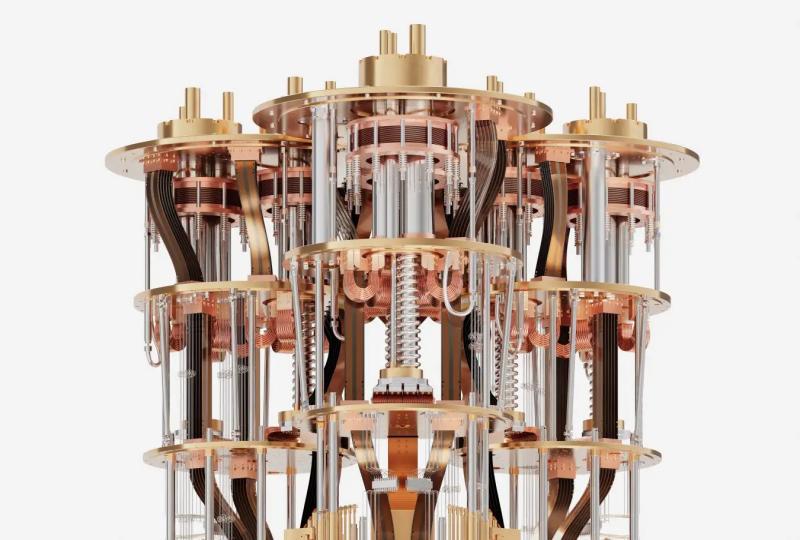
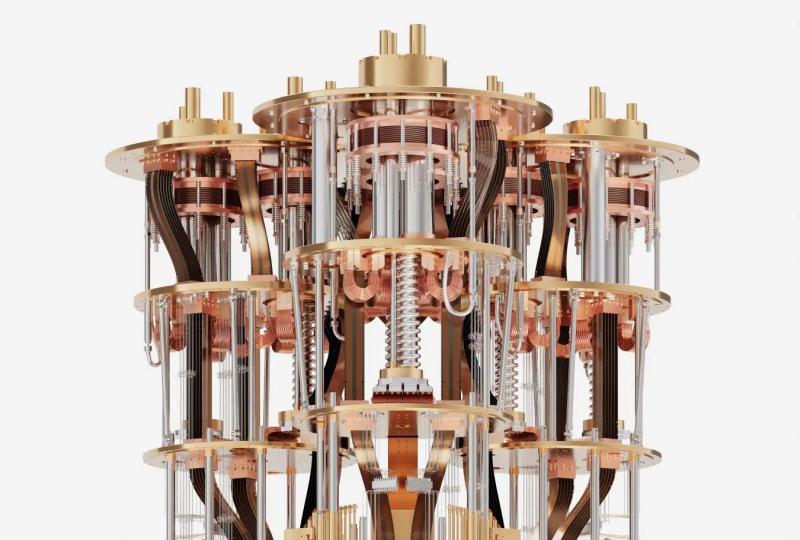
Superconducting quantum computers use circuits made from superconducting materials cooled to ultra‑low temperatures so that they exhibit zero electrical resistance. At these temperatures, the circuits behave like artificial atoms that can encode quantum bits (qubits) in discrete energy levels.
Because qubits can exist in superpositions and become entangled, superconducting platforms promise speed‑ups for certain problems in optimization, chemistry simulation, materials design, and cryptography compared with classical machines. They are also among the most mature quantum hardware technologies, with large global players and a well‑developed research community.
The Japanese superconducting quantum ecosystem
Japan’s superconducting quantum computer ecosystem spans national research centers, universities, and corporate R&D labs.
Key elements include:
-
National research units focused on superconducting quantum computing systems, device structures, wiring, and architectures.
-
University‑based groups working on qubit coherence, error mitigation, and scalable chip design.
-
Collaborations between institutes and companies to demonstrate advanced superconducting circuits and multiplexed control for many qubits.
These efforts are coordinated under national programs aiming for fault‑tolerant, general‑purpose quantum computers in the coming decades.
Research focus areas in Japan
Japanese teams working on superconducting quantum computers tend to concentrate on a few recurring themes.
-
Device integration and packaging – three‑dimensional integration, wafer bonding, and system‑level circuit design to improve scalability.
-
Quantum error correction – encoding logical qubits and reducing error rates below physical qubit limits, a key milestone for practical machines.
-
Microwave control and multiplexing – efficient distribution of control signals to many qubits using microwave techniques and shared lines.
-
System‑level architectures – understanding bottlenecks from qubit chips through cryogenic wiring to room‑temperature electronics.
This system‑wide perspective aligns closely with hardware‑oriented vendors that provide complete stacks from quantum chips to control and cryogenic deployment.
From labs to industry: opportunities for Japanese users
For Japanese enterprises, universities, and government agencies, superconducting quantum computers are moving from purely academic topics toward early‑stage applied experimentation. Organizations are increasingly interested in:
-
Hands‑on training for engineers and students
-
Proof‑of‑concept algorithms in simulation and optimization
-
Evaluation of on‑premise versus cloud access to superconducting systems
-
Hardware co‑design for application‑specific workflows
To bridge the gap between exploratory research and real‑world deployment, they need hardware platforms that are manageable, well‑documented, and backed by experienced engineering teams.
How SpinQ supports superconducting quantum users
SpinQ provides a portfolio of quantum hardware and services that complements Japan’s superconducting quantum initiatives. The company offers:
-
Superconducting quantum computers designed for enterprise and research environments, with integrated cryogenic and control systems.
-
Quantum chips and qubit fabrication capabilities through its QPU foundry service.
-
Quantum control and measurement systems that handle microwave pulse generation, readout, and system orchestration.
-
Education‑oriented quantum computers and NMR‑based platforms that allow institutions to start teaching quantum computing without a full cryogenic lab.
By combining these offerings, SpinQ helps Japanese partners move along a clear hardware roadmap—from classroom demonstrators to superconducting quantum systems ready for serious R&D.
For a deeper look at how these systems work, many readers explore the company’s overview of superconducting quantum computers available on the SpinQ blog, such as the article What Is a Superconducting Quantum Computer and How Does It Work?.
Education and workforce development in Japan
No superconducting quantum ecosystem can grow without trained people who understand both physics and engineering. Japanese institutions are building interdisciplinary programs combining quantum information, cryogenics, microwave engineering, and computer science.
SpinQ’s compact quantum computers and teaching‑oriented setups help universities and technical colleges design laboratory courses, projects, and workshops around accessible hardware. These platforms let students move from theory to hands‑on experiments in state preparation, gate operations, and simple algorithms, preparing them to work with larger superconducting systems later.

Contenido Destacado