
Quantum Computing Education in India: Hardware First
2026.06.09 · Blog quantum computing education in india
The rise of quantum education in India
India is emerging as a major player in quantum technologies, and education is at the heart of this transition. Universities, research institutes, and industry partners are launching programs that introduce students to quantum computing concepts and applications.
To go beyond theory, educators increasingly look for practical hardware platforms that students can touch, program, and experiment with in campus labs and centers of excellence.
Why hands‑on quantum hardware matters
Classroom lectures provide essential background in linear algebra, quantum mechanics, and algorithms, but hands‑on experiments greatly improve understanding. When students interact with real quantum hardware, they see how state preparation, gates, and measurement behave under realistic conditions.
Hardware access also exposes them to engineering topics such as noise, decoherence, calibration, and system integration that are crucial for careers in quantum technology.
Challenges for quantum education programs in India
Indian universities and engineering colleges face specific constraints when building quantum computing programs.
Typical challenges include:
-
Limited budgets for high‑end cryogenic and RF equipment.
-
Shortage of local expertise in maintaining complex quantum lab setups.
-
The need to serve large numbers of students across multiple departments.
-
Aligning curricula with rapidly evolving global industry requirements.
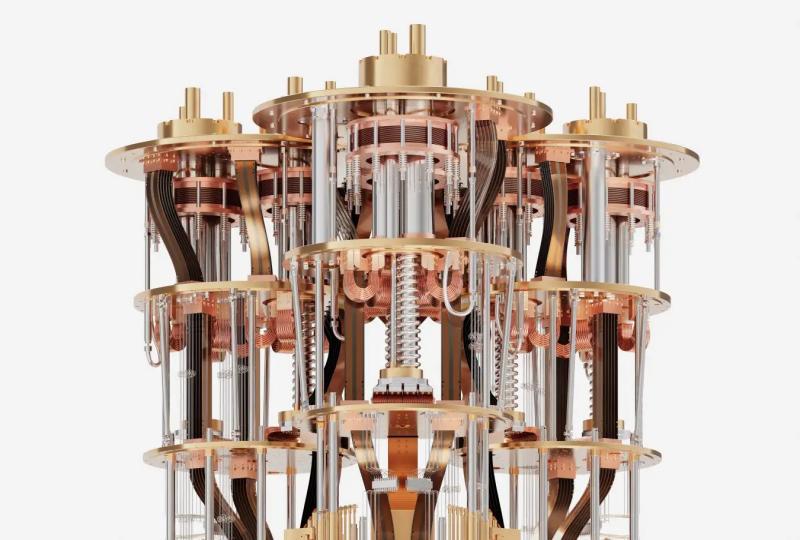
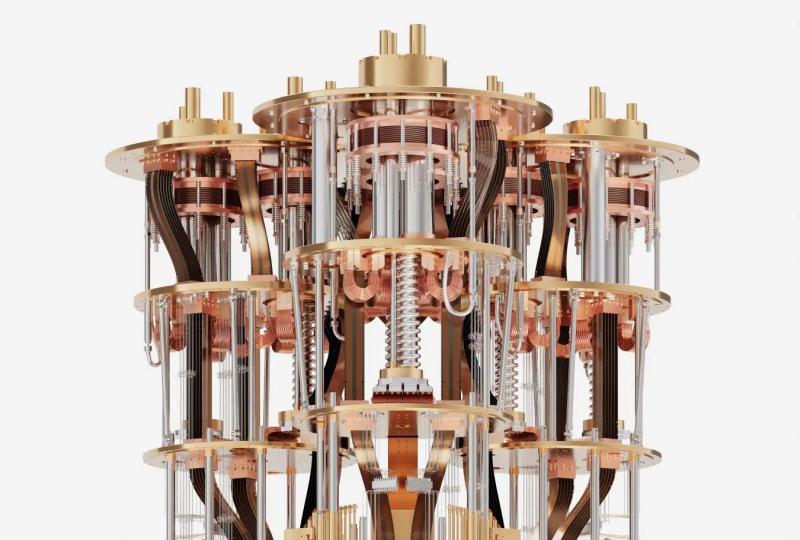
These realities make it difficult to deploy large superconducting quantum systems directly on campus.
Starting with accessible quantum platforms
One effective strategy is to start with compact, accessible quantum computing platforms that have modest infrastructure requirements. For example, small‑scale NMR‑based quantum computers allow students to run real quantum circuits without dilution refrigerators or complex microwave control stacks.
SpinQ has a track record of delivering such education‑ready quantum computers to institutions and training centers, helping them design laboratory courses and workshops that fit their existing infrastructure.
A detailed overview of SpinQ’s quantum hardware technologies, including both superconducting and NMR systems, is available in the article Superconducting Quantum Technology – Insights into Quantum Computing Marvel, which many educators use as a reference when designing lab‑based courses.
Building a curriculum around hardware
Quantum computing education in India can be structured around hardware in progressive layers.
A typical sequence might include:
-
Introductory modules on quantum information and basic circuits using simulators.
-
Laboratory sessions on small quantum devices to implement simple gates, Bell states, and basic algorithms.
-
Projects that explore noise, error mitigation, and circuit optimization on real devices.
-
Advanced topics such as superconducting qubits, quantum error correction, and system‑level design using case studies from modern platforms.
SpinQ’s education‑focused product line is designed to support this progression from entry‑level labs to more advanced research environments.
Partnering with industry for quantum workforce development
Creating a quantum‑ready workforce in India requires collaboration between academia, startups, and global hardware vendors. Industry partners can bring:
-
Real use cases from finance, logistics, and materials science
-
Access to cloud‑based superconducting quantum computers
-
Training resources and certification programs
-
Joint student projects and internships
SpinQ engages with universities and innovation hubs to co‑create education programs and provide hardware that aligns with industrial needs in superconducting and NMR‑based quantum technologies.
From education to research and entrepreneurship
Indian institutions that start with quantum education often evolve into research and innovation centers. As faculty and students gain experience, they begin to:
-
Develop new algorithms and software toolchains
-
Explore novel qubit technologies and control schemes
-
Launch startups and applied research collaborations
At this stage, some institutions may extend their hardware footprint by adding more advanced systems, such as superconducting quantum computers deployed with integrated cryogenics and control electronics. SpinQ’s portfolio supports this scaling path while preserving continuity in tools and training.
Contenido Destacado